Relive NASA's Artemis II Launch
L I F T O F F#Moon #Artemis #Launch #Astronauts
View link
Q
QueekSpace Finds
Explore
Link-first ads from businesses and creators. Filter, compare, and follow only what matters.
L I F T O F F#Moon #Artemis #Launch #Astronauts
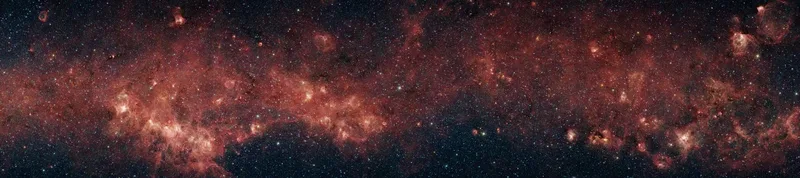
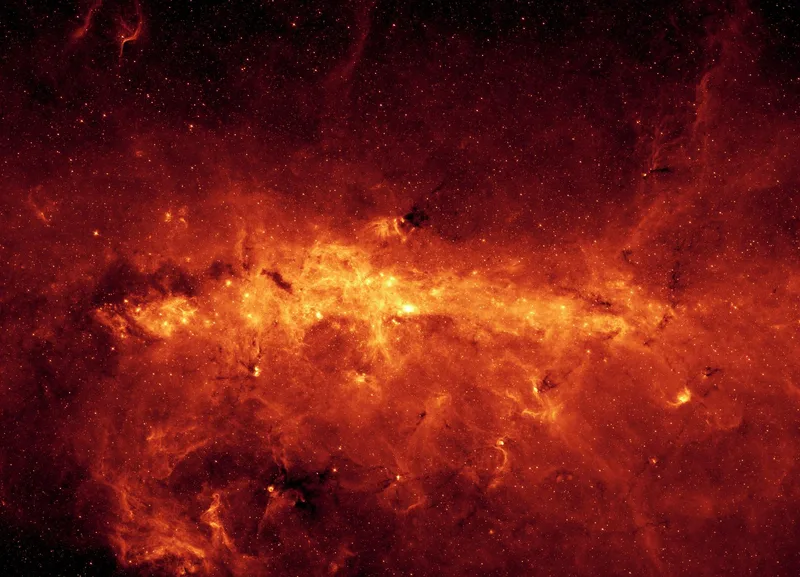
In visible light, the bulk of our Milky Way galaxy stars are eclipsed behind thick clouds of galactic dust and gas. But to the infrared eyes of NASA Spitzer Space Telescope, distant stars and dust clouds shine with unparalleled clarity and color.
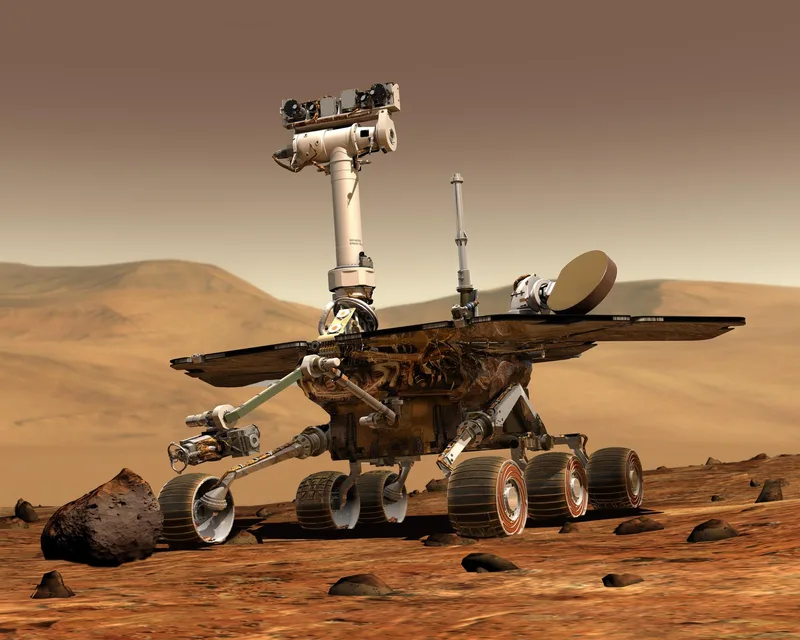
An artist concept portrays a NASA Mars Exploration Rover on the surface of Mars. Two rovers were launched in 2003 and arrived at sites on Mars in January 2004.
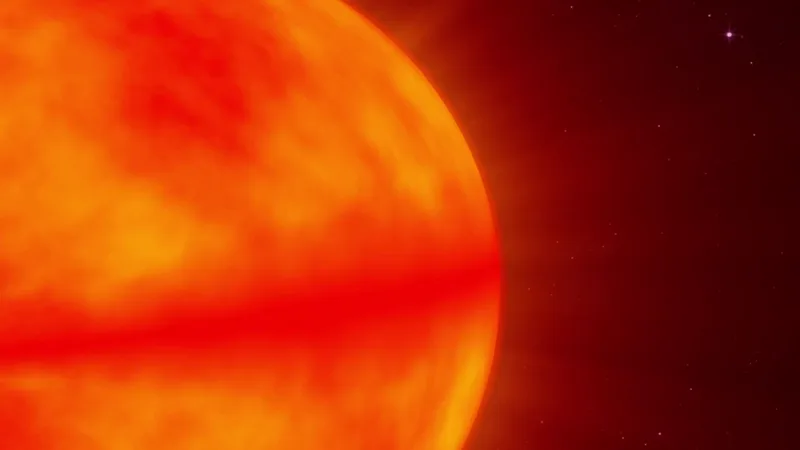
On June 15, NASA's Swift caught the onset of a rare X-ray outburst from a stellar-mass black hole in the binary system V404 Cygni. Astronomers around the world are watching the event. In this system, a stream of gas from a star much like the sun flows toward a 10 solar mass black hole. Instead of spiraling toward the black hole, the gas accumulates in an accretion disk around it. Every couple of decades, the disk switches into a state that sends the gas rushing inward, starting a new outburst.
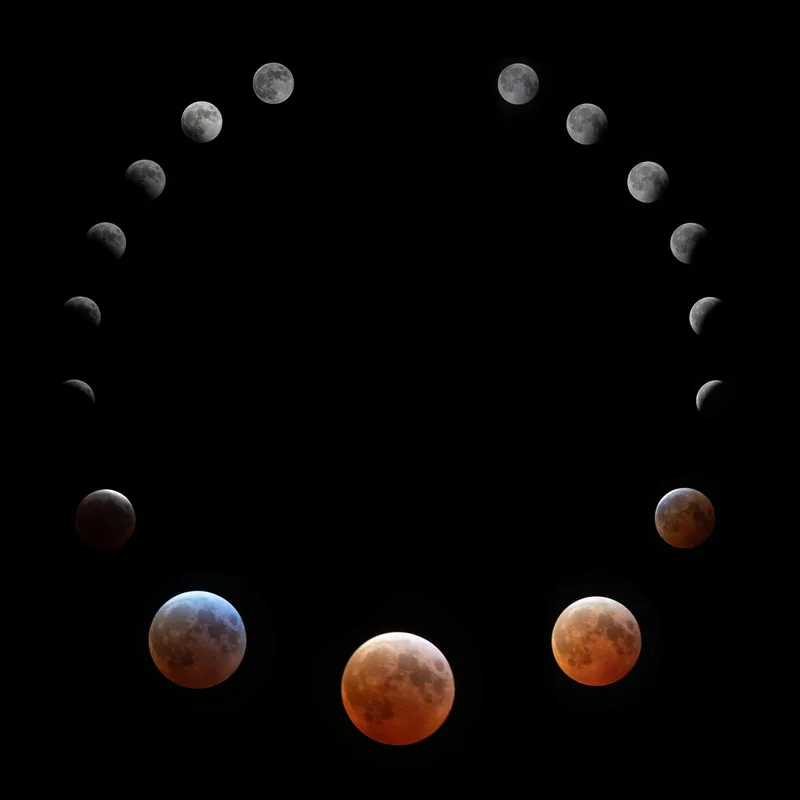
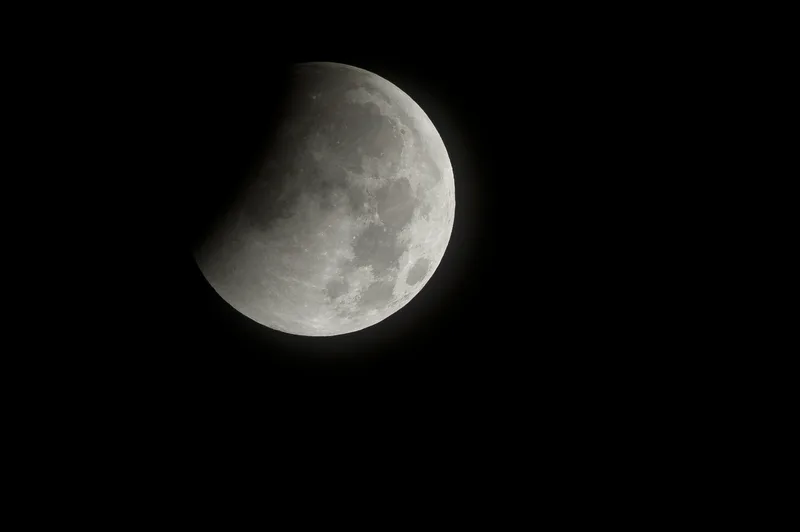
A composite photo made from 17 images of the lunar eclipse. These photographs were taken at NASA’s Glenn Research Center at Neil Armstrong Test Facility in Sandusky, Ohio, during the early hours of March 14, 2025. Photo Credit: (NASA/Sara Lowthian-Hanna)
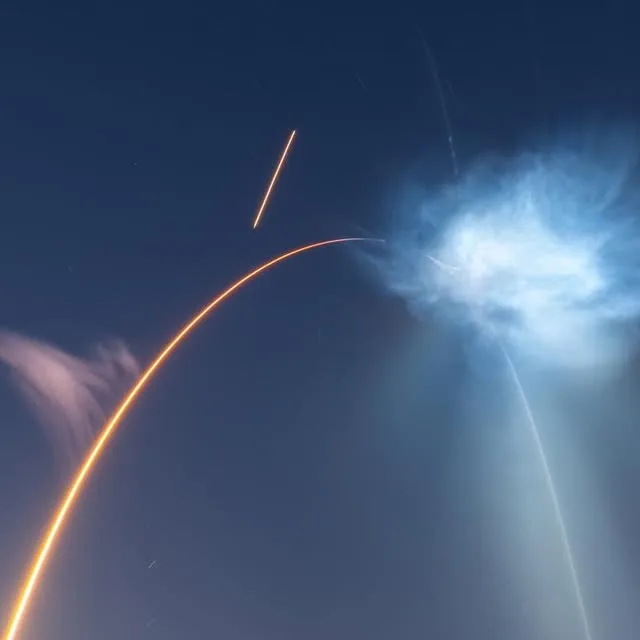
2M likes, 6,194 comments - nasa on October 13, 2026: "Space jellyfish! 🪼 When our SpaceX CRS-35 cargo mission launched the morning of Oct. 13, the exhaust plume became brightly lit by the Sun, creating a glowing jellyfish-like shape. This can also happen with a launch near sunset. Swipe through for more. #NASA #Launch #Jellyfish".
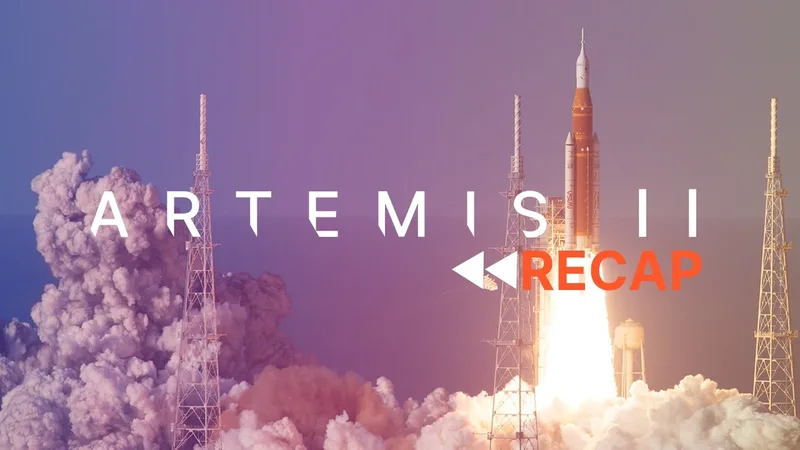
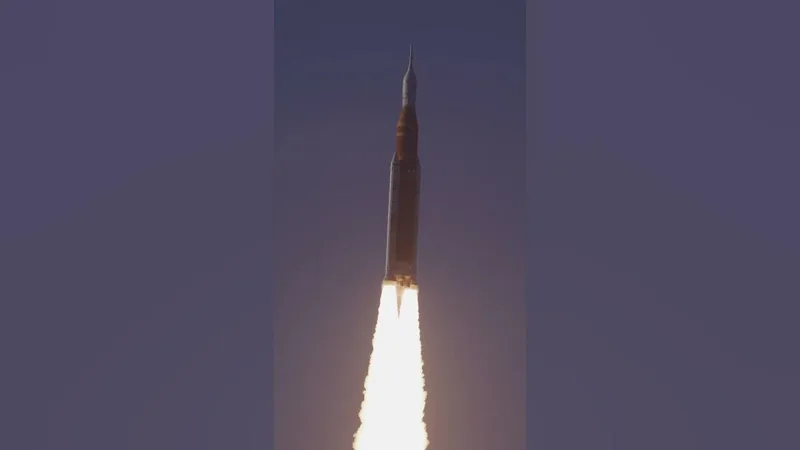
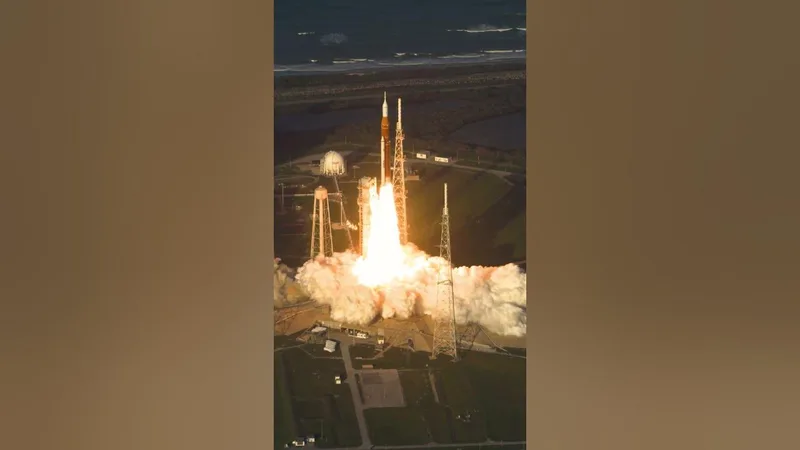
Artemis II’s SLS (Space Launch System) rocket lifted off from Launch Pad 39B at NASA’s Kennedy Space Center in Florida, at 6:35 p.m. EDT (2235 UTC) on April ...
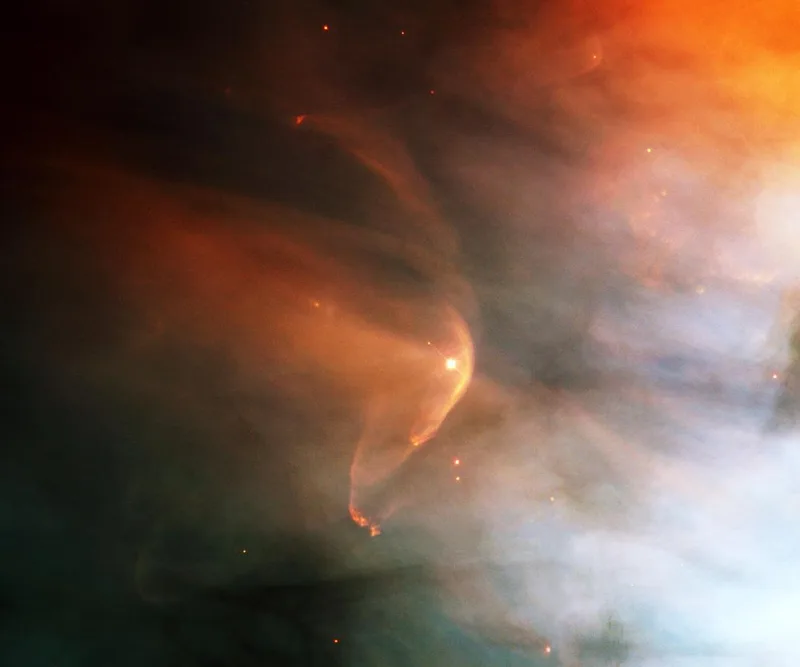
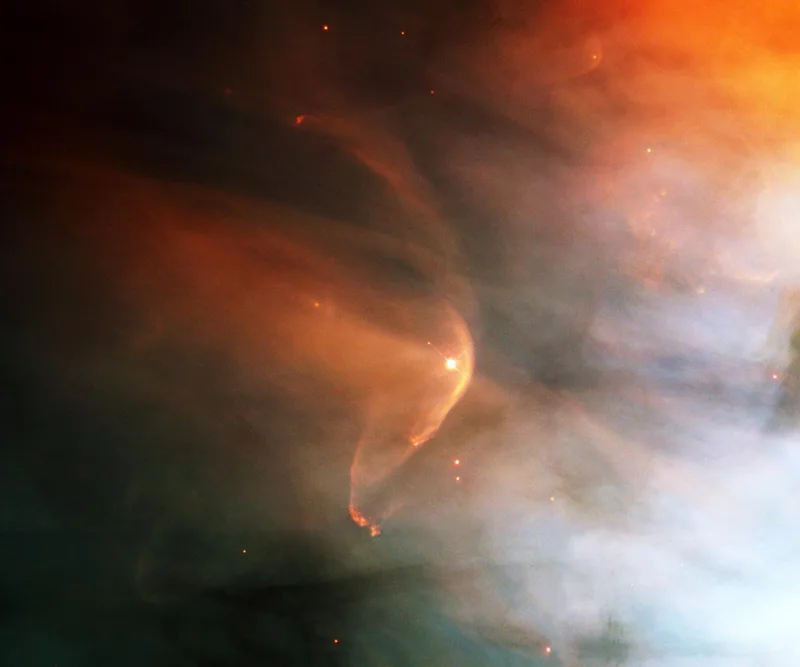
Astronomers using NASA Hubble Space Telescope have found a bow shock around a very young star in the nearby Orion nebula, an intense star-forming region of gas and dust.
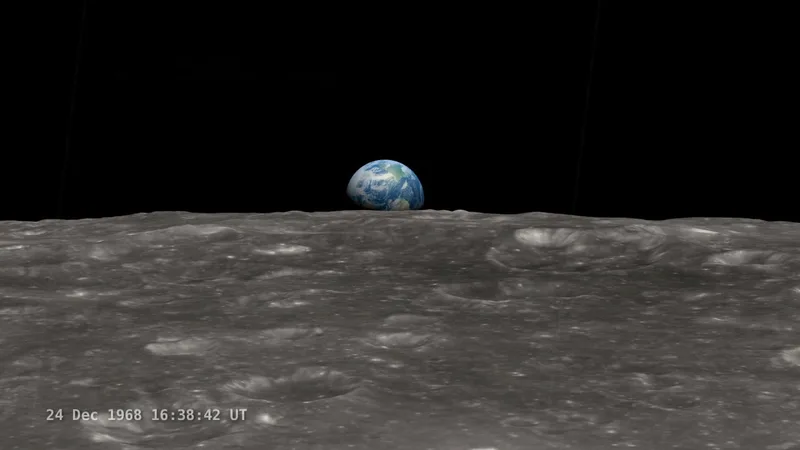
<b>Join NASA's Google+ Hangout on Friday, December 20th 2:00 - 3:00 PM (EST) at <a href="http://go.nasa.gov/18S2TbC" rel="nofollow">go.nasa.gov/18S2TbC</a> </b> It was 45 years ago, on December 24, 1968 when Apollo 8 astronauts captured 'Earthrise' – the first color photograph of Earth taken by a person in lunar orbit. NASA announces a new simulation of the events leading to the creation of 'Earthrise,' one of the iconic photographs of the 20th Century – Earth seen from the moon captured by th
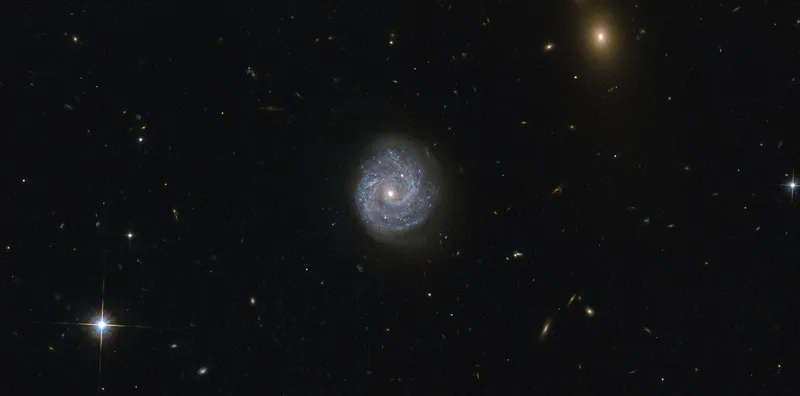
The beautiful spiral galaxy visible in the center of the image is known as RX J1140.1+0307, a galaxy in the Virgo constellation imaged by the NASA/ESA Hubble Space Telescope, and it presents an interesting puzzle. At first glance, this galaxy appears to be a normal spiral galaxy, much like the Milky Way, but first appearances can be deceptive! The Milky Way galaxy, like most large galaxies, has a supermassive black hole at its center, but some galaxies are centered on lighter, intermediate-mass
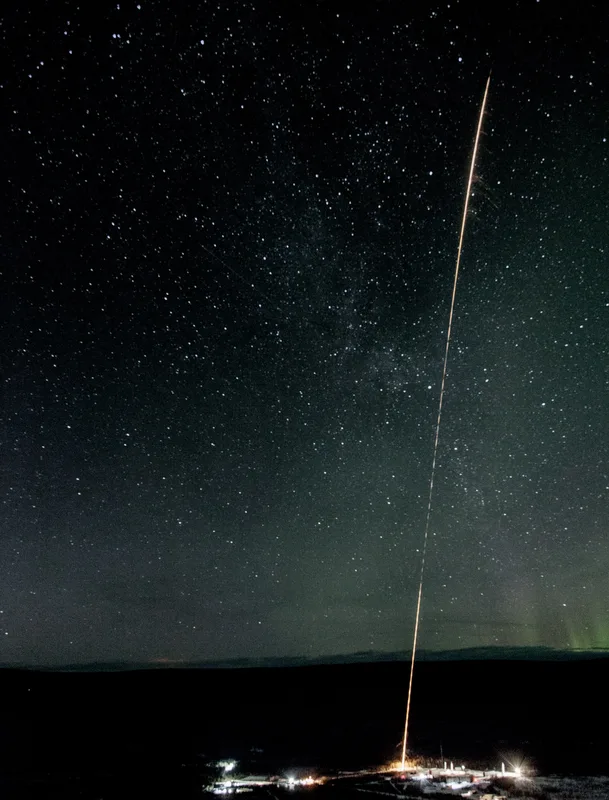
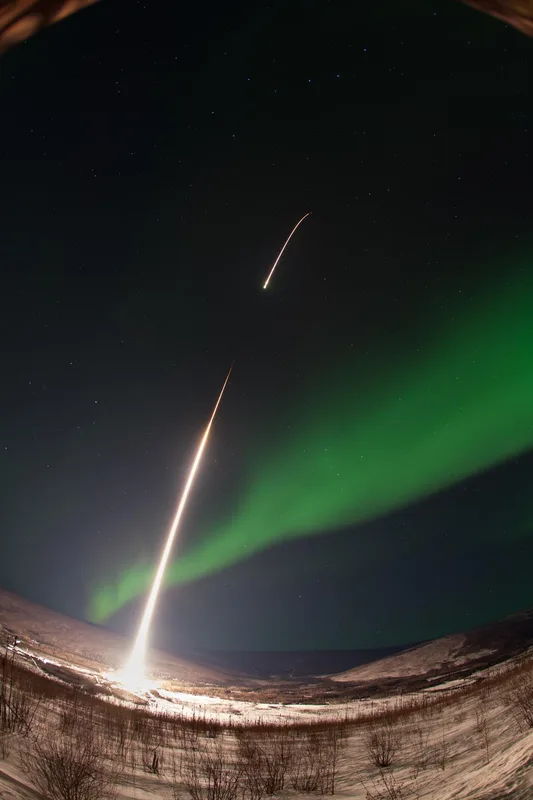
A test rocket is launched the night of Feb. 17 from the Poker Flat Research Range in Alaska. Test rockets are launched as part of the countdown to test out the radar tracking systems. NASA is launching five sounding rockets from the Poker Range into active auroras to explore the Earth's magnetic environment and its impact on Earth’s upper atmosphere and ionosphere. The launch window for the four remaining rockets runs through March 3. Credit: NASA/Terry Zaperach <b><a href="http://www.nasa.
At 6:35 p.m. EDT (2235 UTC) on April 1, 2026, four astronauts lifted off on Artemis II for an approximately 10-day mission around the Moon.NASA astronauts Re...
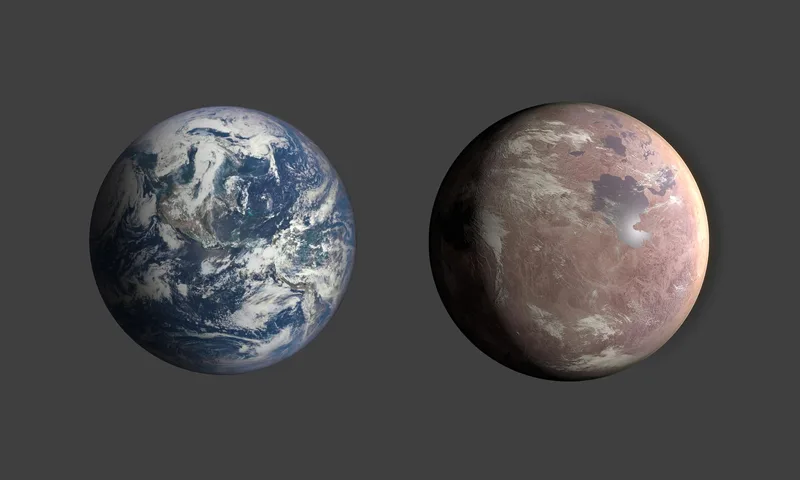
A comparison of Earth and Kepler-1649c, an exoplanet only 1.06 times Earth's radius Credit: NASA/Ames Research Center/Daniel Rutter
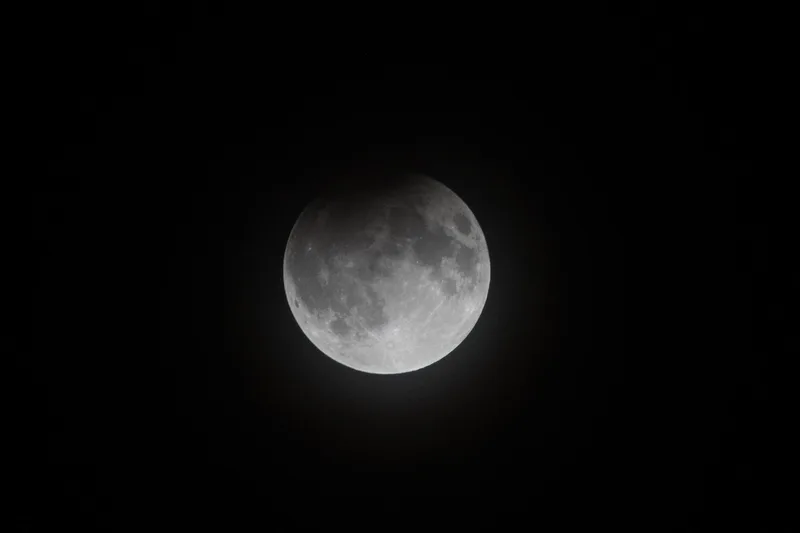
This Full Moon that occurred on September 17, 2024 in Cleveland, OH was a Partial Lunar Eclipse; a Supermoon; the Corn Moon; and a harvest moon. Photo Credit: (NASA/Sara Lowthian-Hanna)
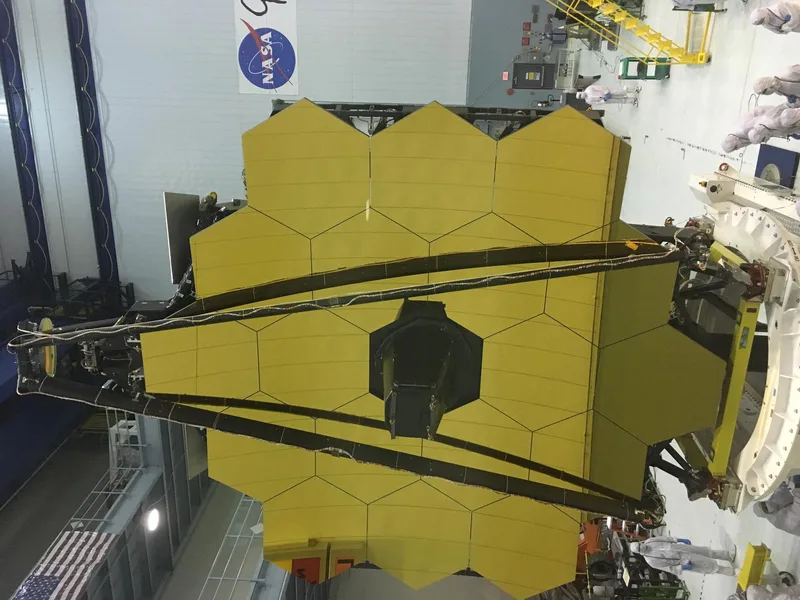
A rare view of the James Webb Space Telescope face-on, from the NASA Goddard cleanroom observation window.
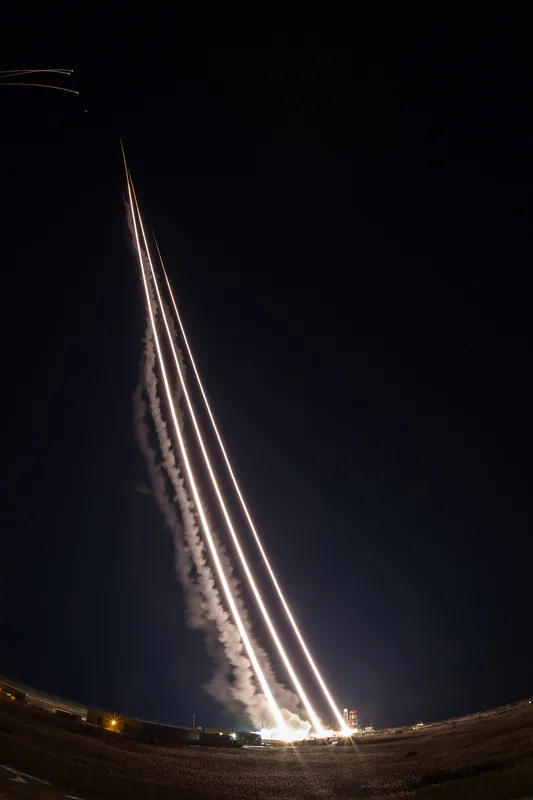
NASA’s Wallops Flight Facility supported the successful launch of three Terrier-Oriole suborbital rockets for the Department of Defense between 2:30 and 2:31 a.m. today, Feb. 24, from NASA’s launch range on the Eastern Shore of Virginia. The next launch from the Wallops Flight Facility is a NASA Terrier-Improved Malemute suborbital sounding rocket between 6 and 9 a.m. on March 27. The rocket will be carrying the Rocksat-X payload carrying university student developed experiments. Credit: NA
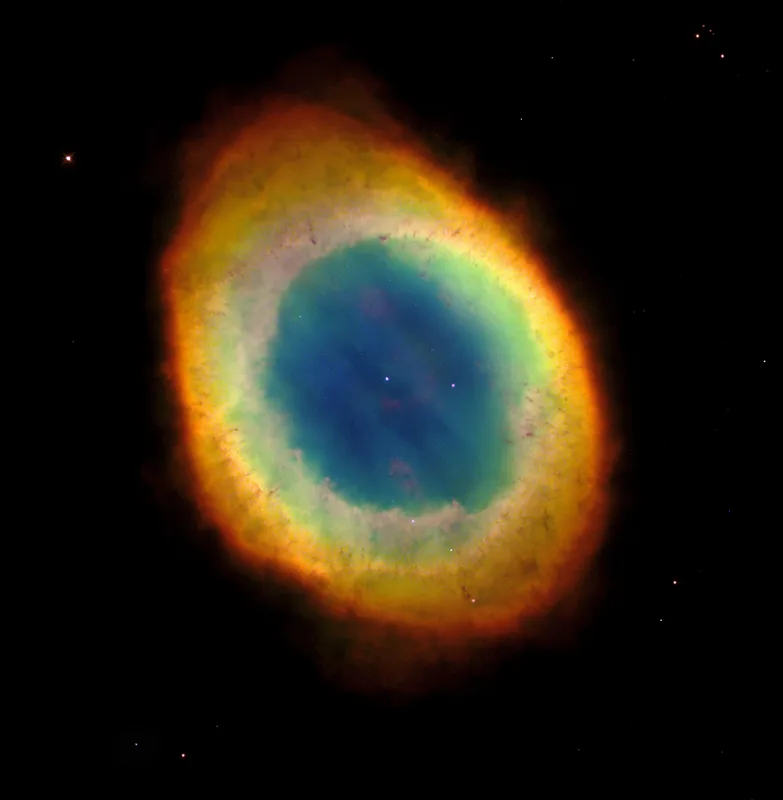
This planetary nebula's simple, graceful appearance is thought to be due to perspective: our view from Earth looking straight into what is actually a barrel-shaped cloud of gas shrugged off by a dying central star. Hot blue gas near the energizing central star gives way to progressively cooler green and yellow gas at greater distances with the coolest red gas along the outer boundary. Credit: NASA/Hubble Heritage Team ---- The Ring Nebula's distinctive shape makes it a popular illustration fo
Caption: A NASA-funded sounding rocket launches into an aurora in the early morning of March 3, 2014, over Venetie, Alaska. The GREECE mission studies how certain structures – classic curls like swirls of cream in coffee -- form in the aurora. Credit: NASA/Christopher Perry More info: On March 3, 2014, at 6:09 a.m. EST, a NASA-funded sounding rocket launched straight into an aurora over Venetie, Alaska. The Ground-to-Rocket Electrodynamics – Electron Correlative Experiment, or GREECE, sounding
Our Milky Way is a dusty place. So dusty that we cannot see the center of the galaxy in visible light. Thanks to NASA Spitzer Space Telescope excellent resolution, the dusty features within the galactic center are seen in unprecedented detail.
The nearby intense star-forming region known as the Great Nebula in the Orion constellation reveals a bow shock around a very young star as seen by NASA's Hubble Space Telescope (HST). Named for the crescent-shaped wave made by a ship as it moves through the water, a bow shock can be created in space where two streams of gas collide. LL Ori emits a vigorous solar wind, a stream of charged particles moving rapidly outward from the star. Our own sun has a less energetic version of this wind. The m
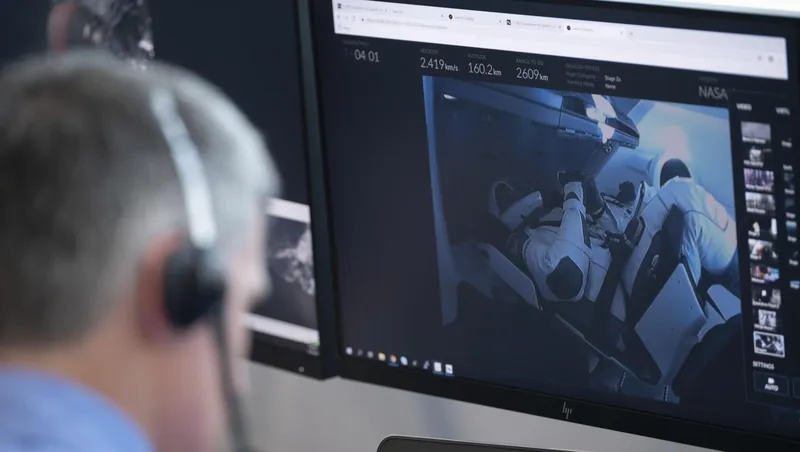
NASA astronauts Robert Behnken and Douglas Hurley are seen inside SpaceX’s Crew Dragon spacecraft on a monitor during launch onboard a SpaceX Falcon 9 rocket on NASA’s SpaceX Demo-2 mission, Saturday, May 30, 2020, in firing room four of the Launch Control Center at NASA’s Kennedy Space Center in Florida. NASA’s SpaceX Demo-2 mission is the first launch with astronauts of the SpaceX Crew Dragon spacecraft and Falcon 9 rocket to the International Space Station as part of the agency’s Commercial C
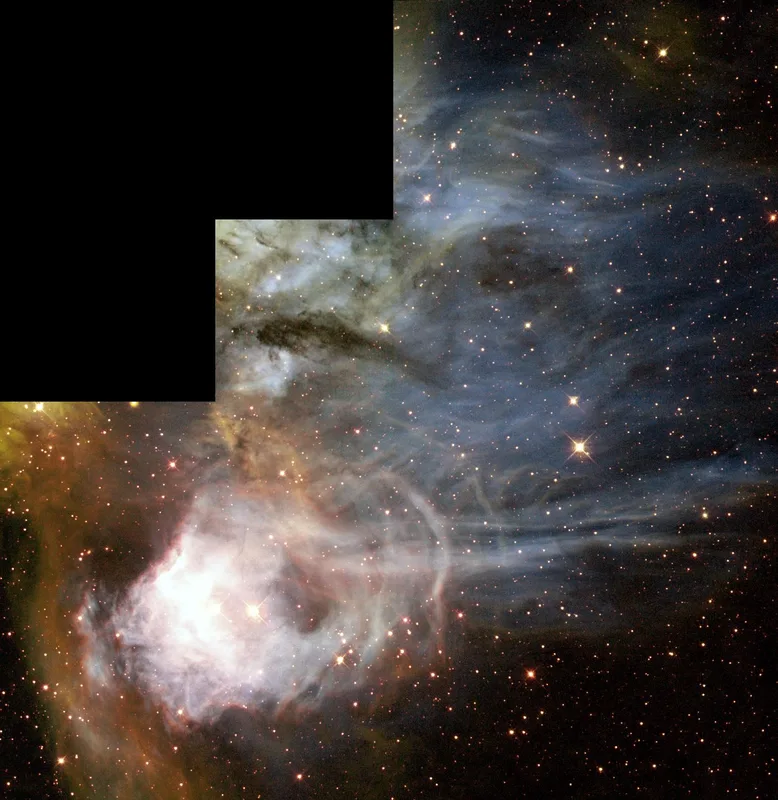
Resembling the hair in Botticelli famous portrait of the birth of Venus, an image from NASA Hubble Space Telescope has captured softly glowing filaments streaming from hot young stars in a nearby nebula.
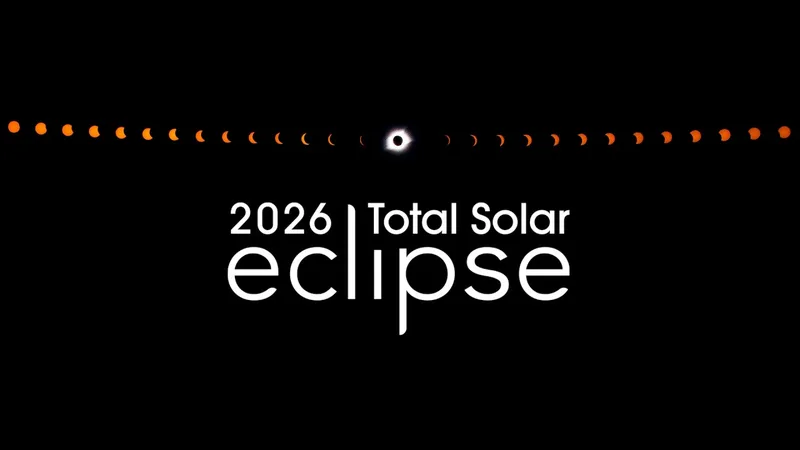
The Sun and Moon are coming together to put on a show for Earth, and we'll be sharing it with you.On Aug. 12, 2026, a total solar eclipse will be visible in ...
A total lunar eclipse begins as the full moon is shadowed by the Earth on the arrival of the winter solstice, Tuesday, December 21, 2010 in Arlington, VA. From beginning to end, the eclipse will last about three hours and twenty-eight minutes. Photo Credit: (NASA/Bill Ingalls)