Q
Business
QueekSpace Lens
No bio yet.
0 followers
24 posts this page
Joined Oct 2026
Posts
Everything QueekSpace Lens has published recently.
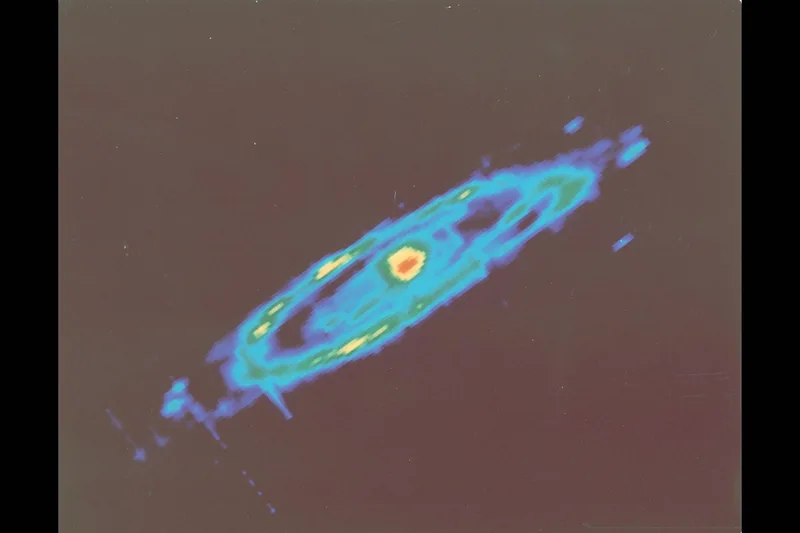
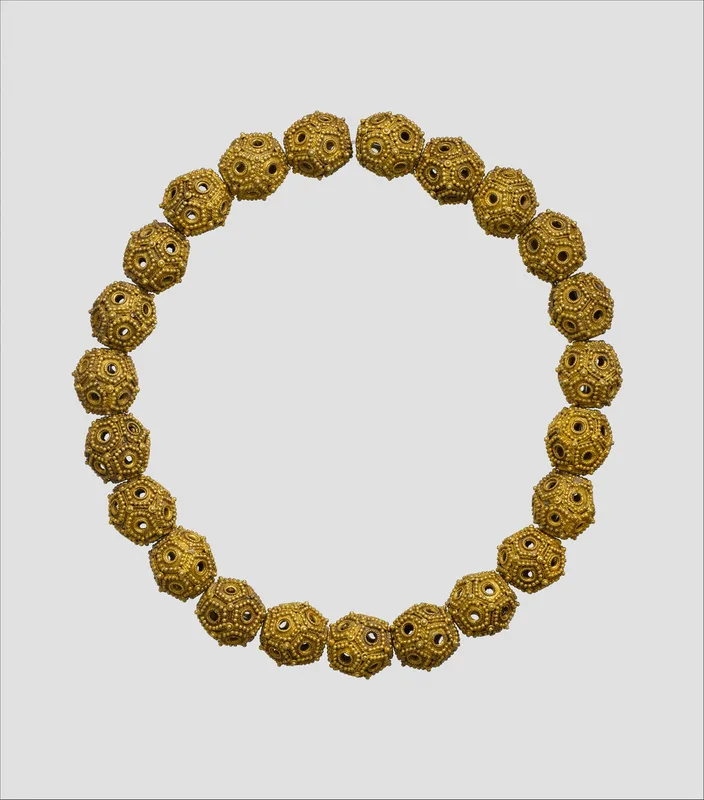
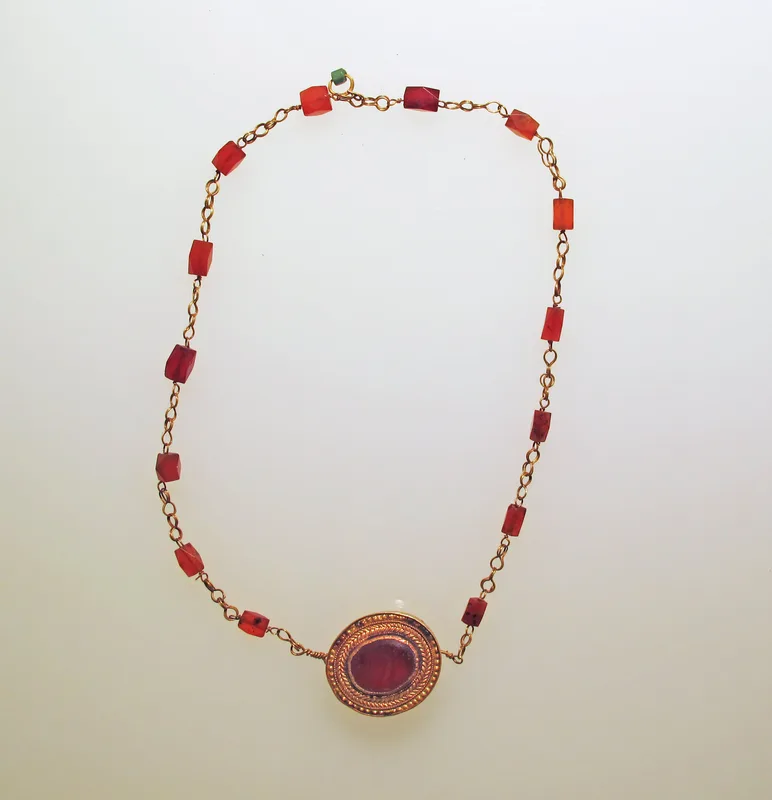
Necklace
Necklace. 11th–12th century. Gold sheet; granulation, twisted wire. Islamic Art.
View link
Q
QueekSpace Lens
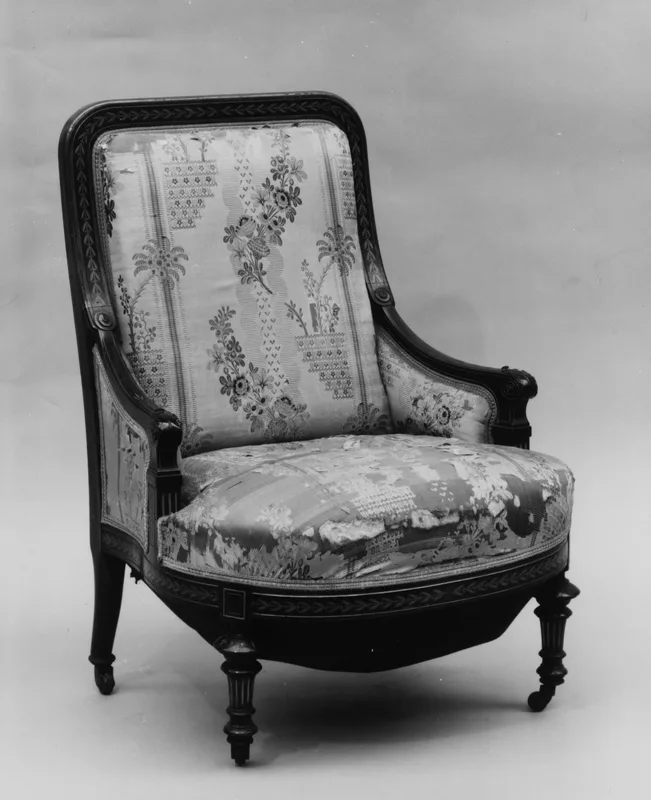
Armchair
Armchair. Herter Brothers 1865–70. Rosewood, marquetry, gilt. American. The American Wing.
View link
Q
QueekSpace Lens
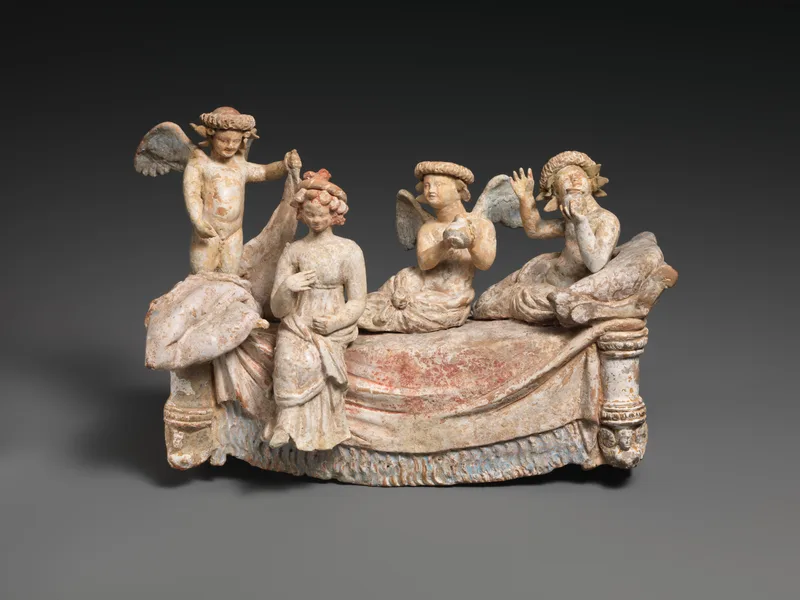
Terracotta Banquet Group
Terracotta Banquet Group. ca. 3rd–2nd century BCE. terracotta. Greek. Greek and Roman Art.
View link
Q
QueekSpace Lens
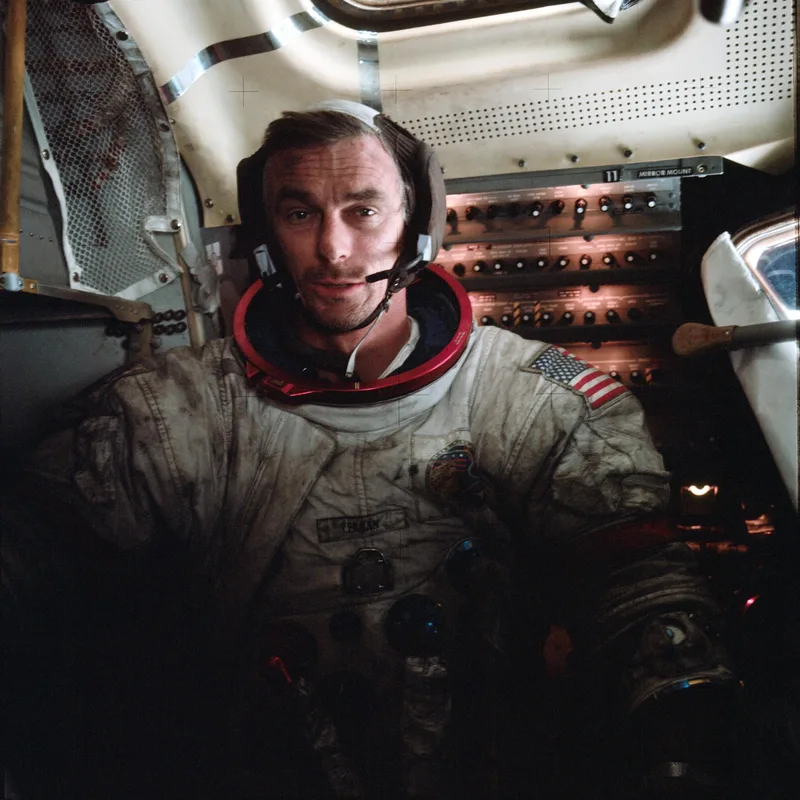
Astronaut Eugene Cernan inside the lunar module on lunar surface after EVA
AS17-145-22224 (12 Dec. 1972) --- Astronaut Eugene A. Cernan, Apollo 17 commander, is photographed inside the lunar module on the lunar surface following the second extravehicular activity (EVA) of his mission. Note lunar dust on his suit. The photograph was taken by astronaut Harrison H. Schmitt, lunar module pilot, using a 70mm handheld Hasselblad camera and S0-368 film.
View link
Q
QueekSpace Lens
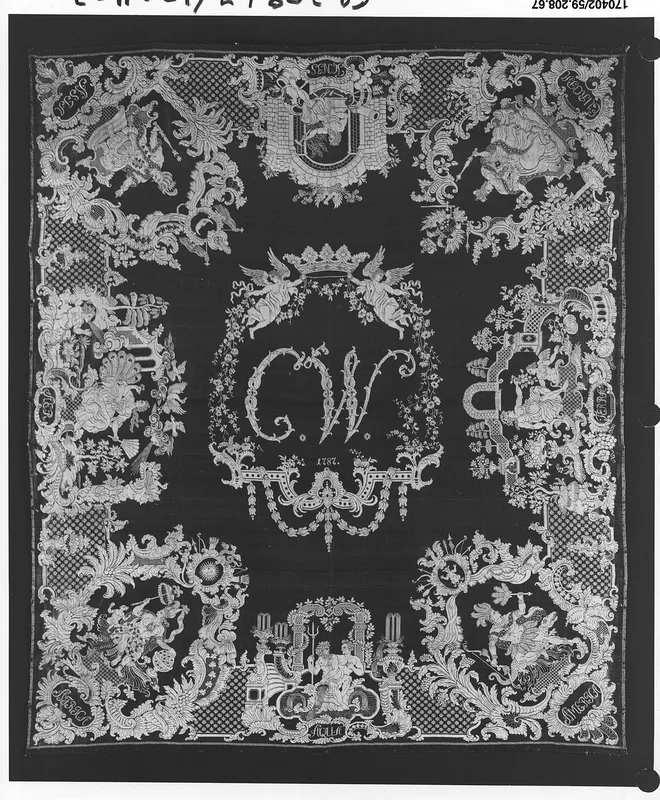
Banquet napkin
Banquet napkin. 1787. Silk and linen. European Sculpture and Decorative Arts.
View link
Q
QueekSpace Lens
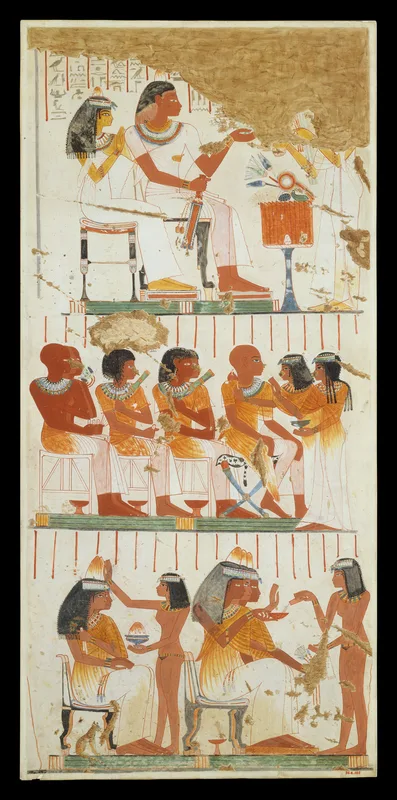
Guests at a Banquet
Guests at a Banquet. Nina de Garis Davies 1920–1921; original ca. 1386–1330 BCE. Tempera on paper. Egyptian Art.
View link
Q
QueekSpace Lens
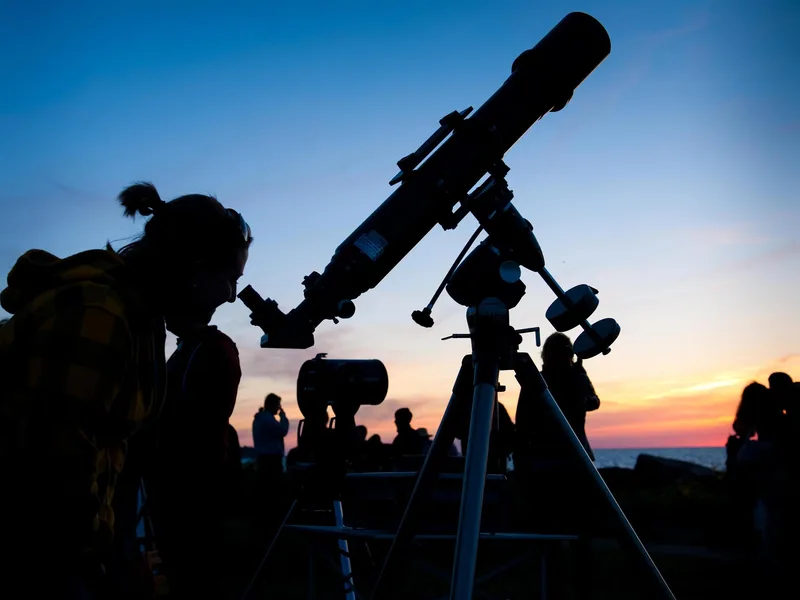
Venus Transit Event
Beautiful skies prevailed on the evening of the Venus Transit when NASA Glenn brought telescopes to Edgewater Park on Lake Erie for a view of the event.
View link
Q
QueekSpace Lens
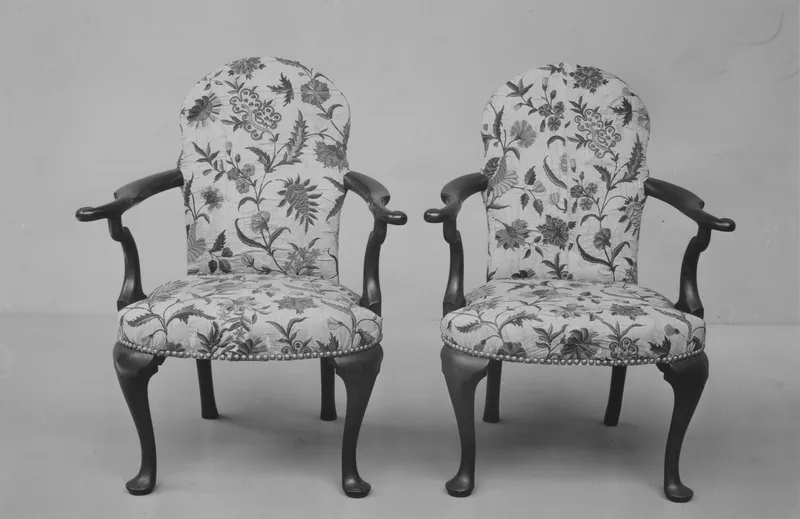
Armchair
Armchair. 1740–60. Walnut, ash, white pine. American. The American Wing.
View link
Q
QueekSpace Lens
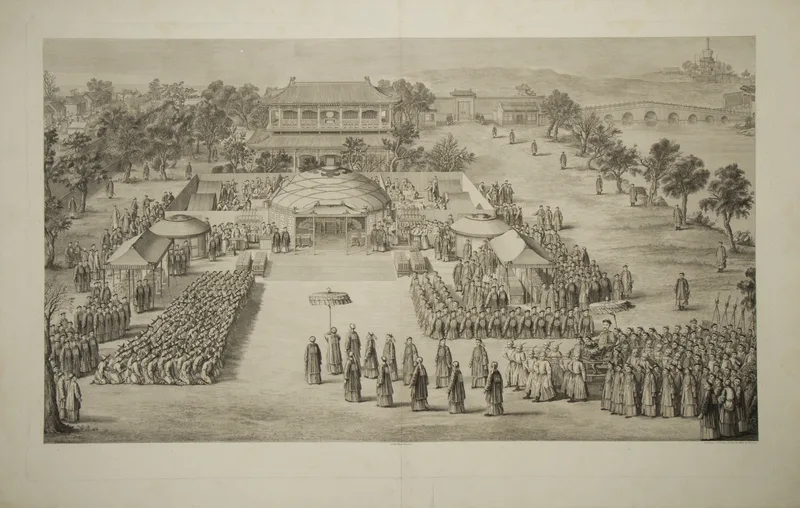
The Victory Banquet
The Victory Banquet. Jacques Philippe Le Bas 1770. Etching and engraving. Drawings and Prints.
View link
Q
QueekSpace Lens
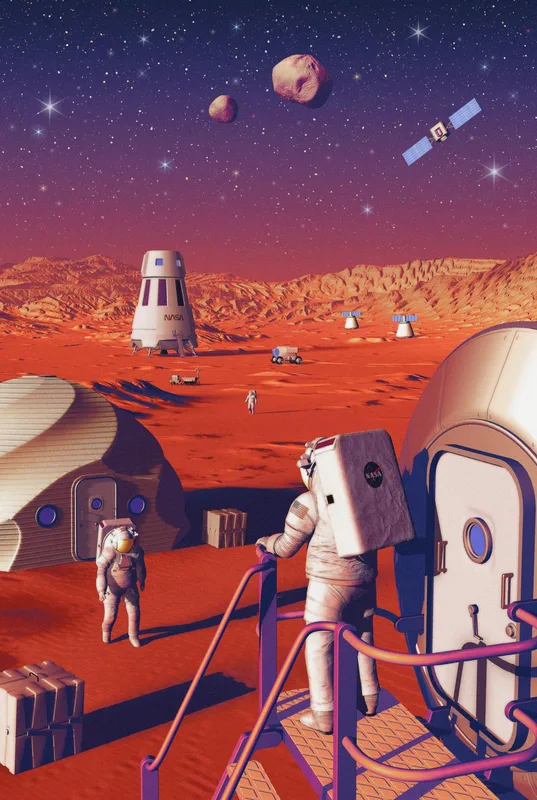
Moon to Mars Infrastructure
This illustration of Moon to Mars infrastructure shows astronauts living and working on the surface of Mars. NASA’s Moon to Mars Objectives establish an objectives-based approach to the agency's human deep space exploration efforts; NASA’s Moon to Mars Architecture approach distills the objectives into operational capabilities and elements.
View link
Q
QueekSpace Lens
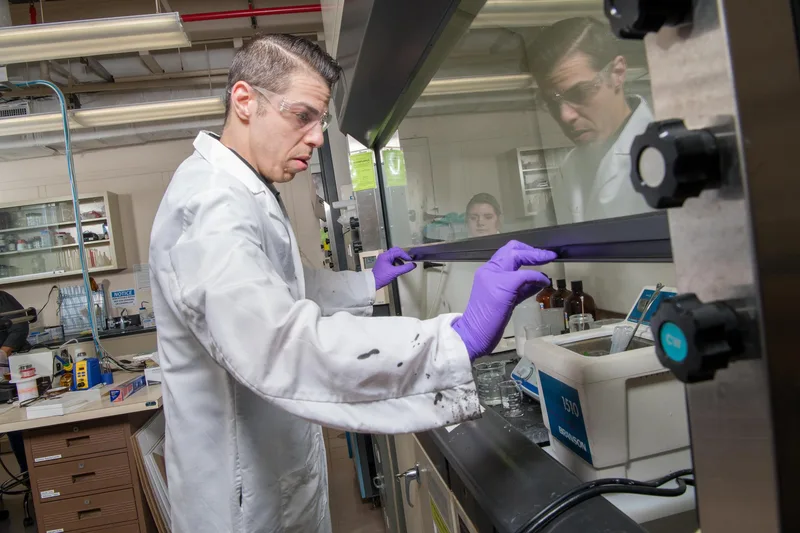
Photovoltaic Investigation on the Lunar Surface – PILS
Photovoltaic Investigation on the Lunar Surface – PILS
View link
Q
QueekSpace Lens
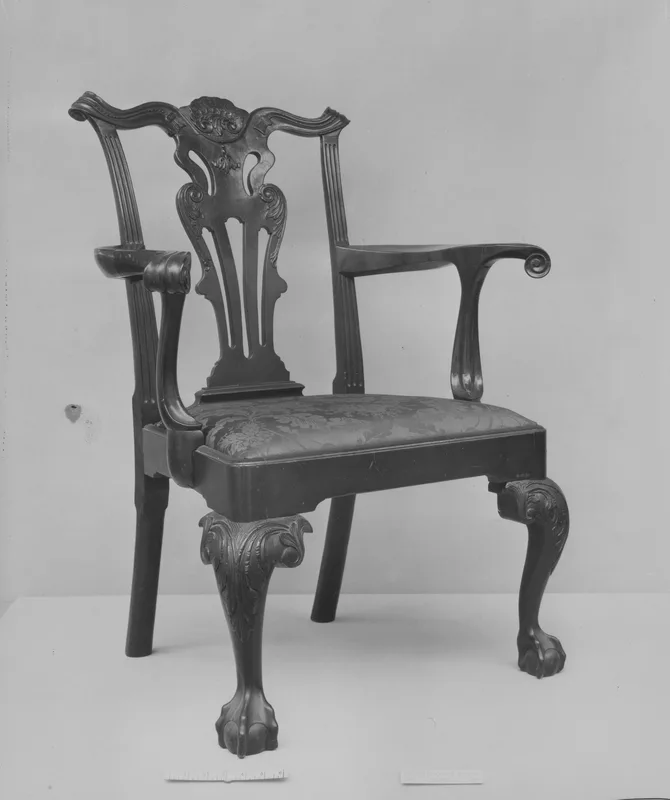
Armchair
Armchair. 1760–90. Walnut, white cedar, yellow pine. American. The American Wing.
View link
Q
QueekSpace Lens
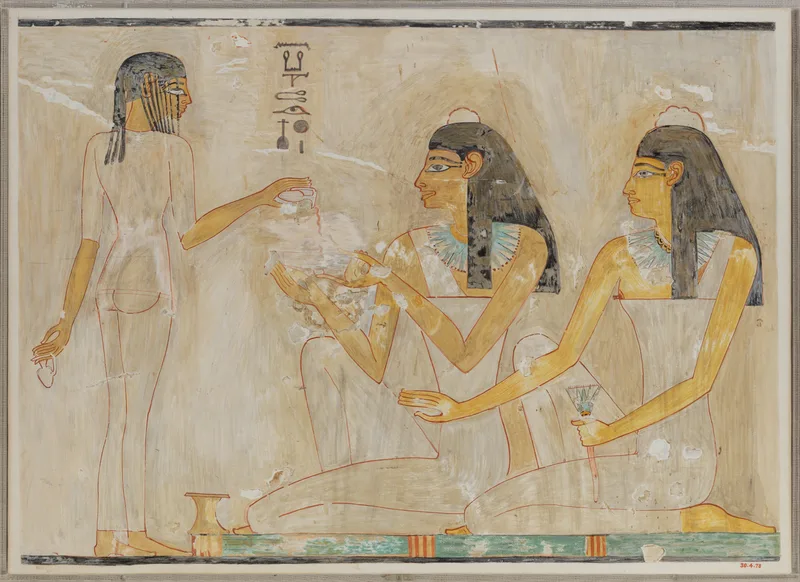
Women at a Banquet
Women at a Banquet. Nina de Garis Davies 1925; original ca. 1479–1425 BCE. Tempera on paper. Egyptian Art.
View link
Q
QueekSpace Lens
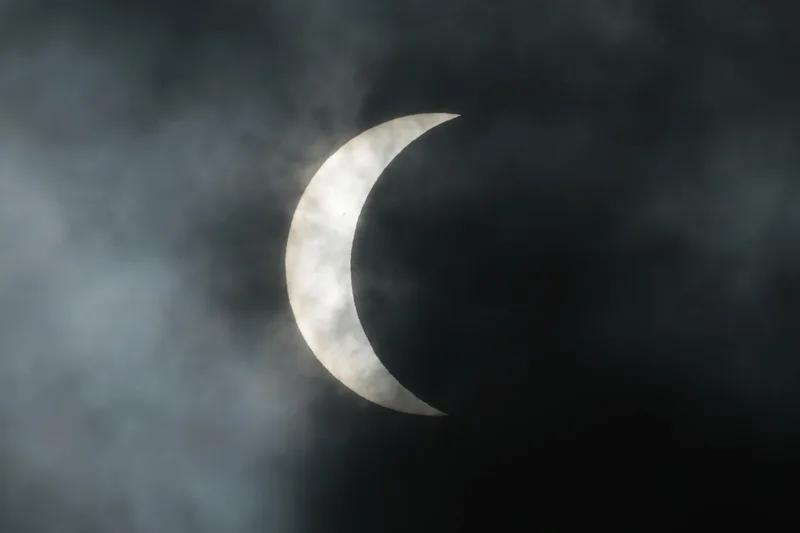
Partial Solar Eclipse in New Orleans
Under mostly overcast skies, the Moon passes in front of the Sun as a partial solar eclipse approaches 85% in New Orleans, home of NASA’s Michoud Assembly Facility, on Monday, April 8, 2024. A total solar eclipse tracked along a narrow strip of the North American continent from Mexico’s Pacific coast to the Atlantic coast of Newfoundland, Canada. A partial solar eclipse was visible across the entire North American continent as well as parts of Europe and Central America. Image credit: NASA/Mich
View link
Q
QueekSpace Lens
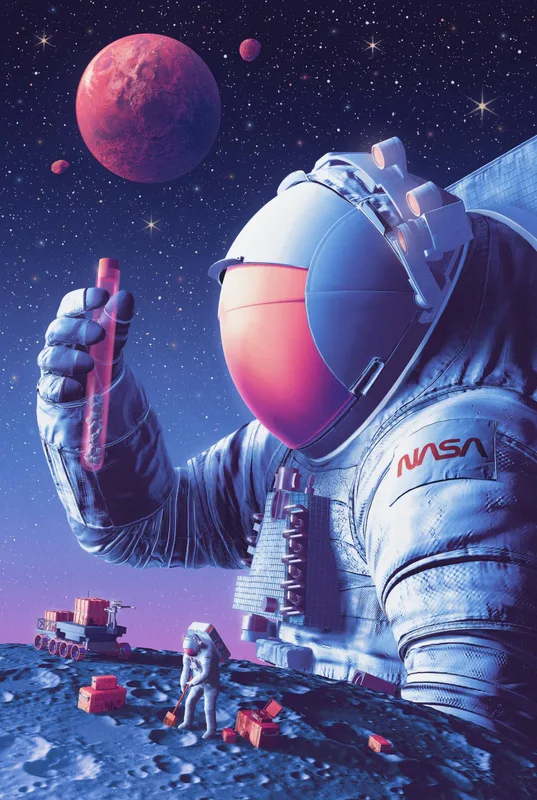
Moon to Mars Multidisciplinary Science
This illustration of Moon to Mars multidisciplinary science shows astronauts collecting and analyzing lunar regolith. NASA’s Moon to Mars Objectives establish an objectives-based approach to the agency's human deep space exploration efforts; NASA’s Moon to Mars Architecture approach distills the objectives into operational capabilities and elements.
View link
Q
QueekSpace Lens
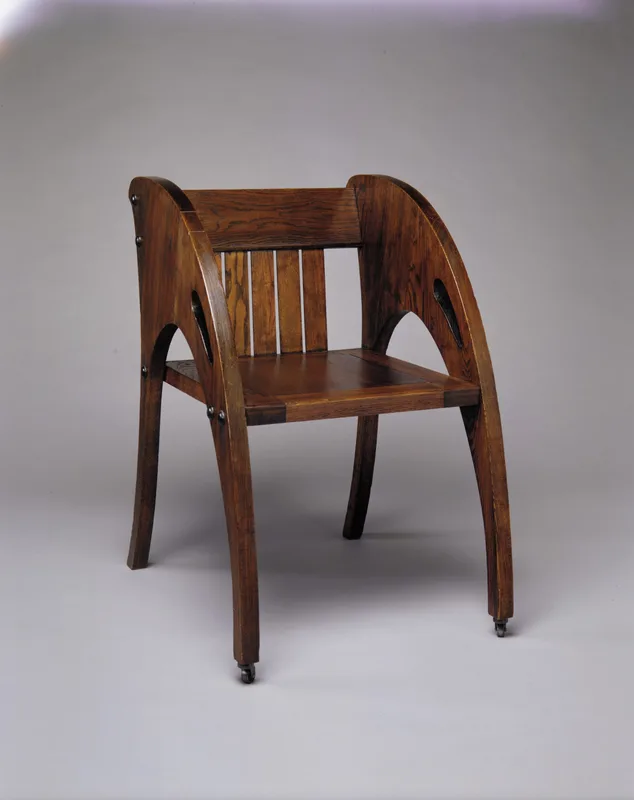
Armchair
Armchair. J. S. Ford, Johnson and Company ca. 1904. Oak, poplar. American. The American Wing.
View link
Q
QueekSpace Lens
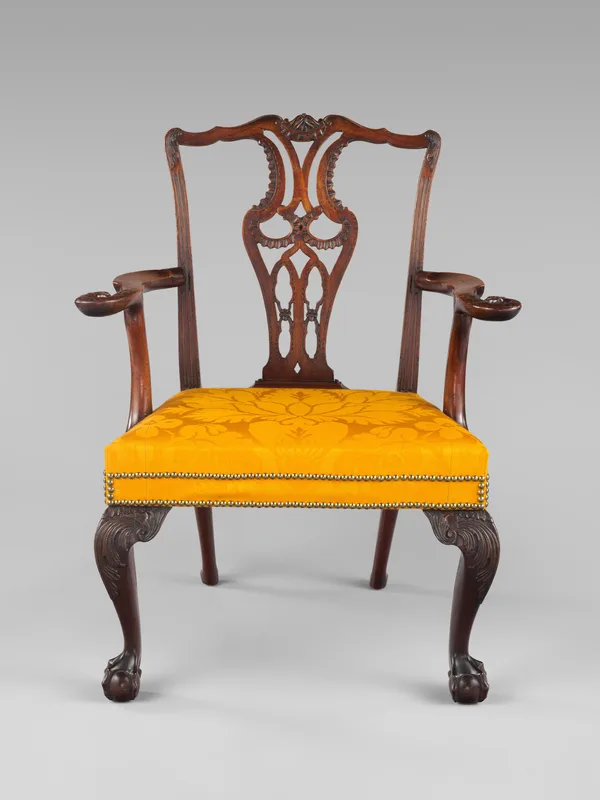
Armchair
Armchair. 1770–90. Mahogany, red oak, sweet gum, ash; upholstery (modern). American. The American Wing.
View link
Q
QueekSpace Lens
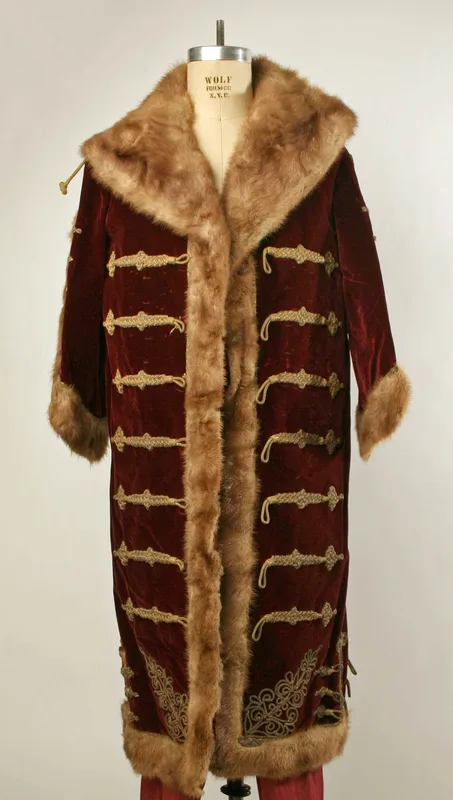
Costume
Costume. 1850–1900. silk, fur, cotton, linen, wool, leather, metallic thread. European Sculpture and Decorative Arts.
View link
Q
QueekSpace Lens
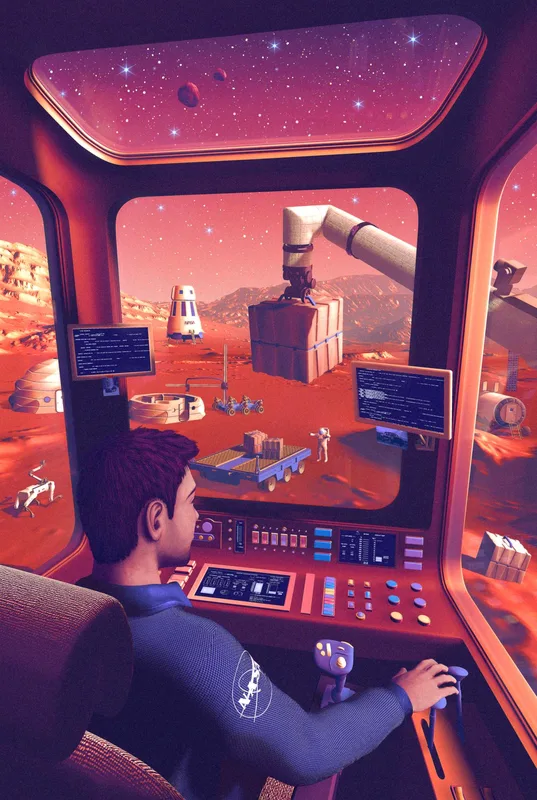
Moon to Mars Operations
This illustration of Moon to Mars operations shows an astronaut piloting a robotic arm to manipulate cargo on Mars. NASA’s Moon to Mars Objectives establish an objectives-based approach to the agency's human deep space exploration efforts; NASA’s Moon to Mars Architecture approach distills the objectives into operational capabilities and elements.
View link
Q
QueekSpace Lens
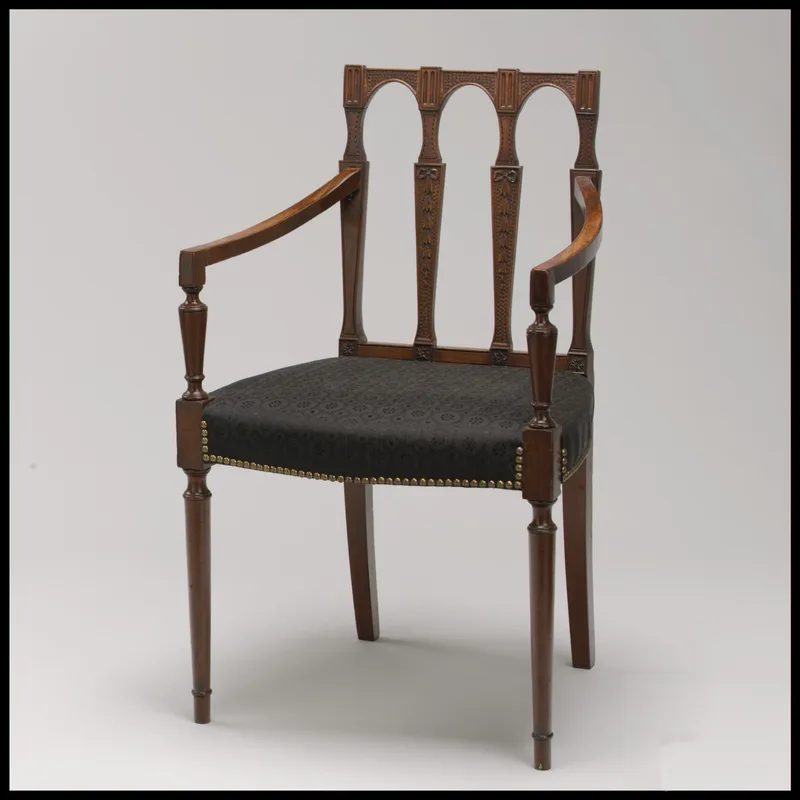
Armchair
Armchair. Samuel McIntire 1801. Mahogany, birch, white pine. American. The American Wing.
View link
Q
QueekSpace Lens
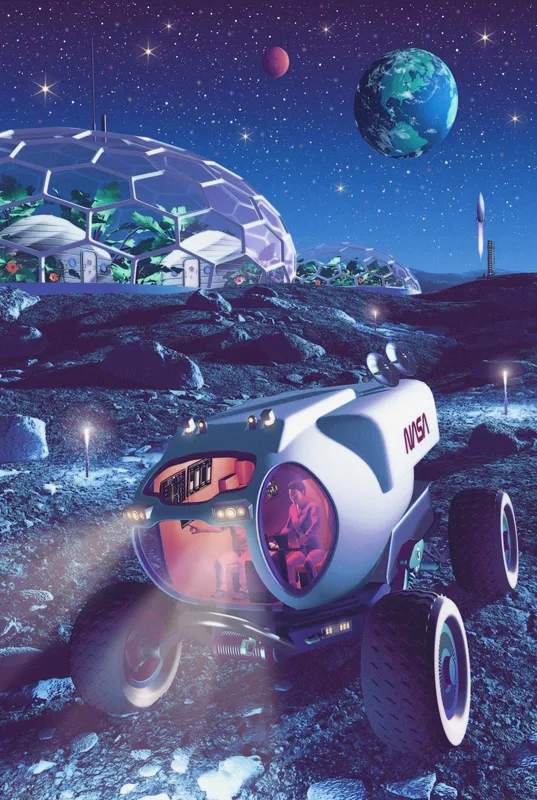
Moon to Mars Transportation and Habitation
This illustration of Moon to Mars transportation and habitation shows astronauts driving a pressurized rover away from the dome of a translucent lunar habitat. NASA’s Moon to Mars Objectives establish an objectives-based approach to the agency's human deep space exploration efforts; NASA’s Moon to Mars Architecture approach distills the objectives into operational capabilities and elements.
View link
Q
QueekSpace Lens